
Introduction: The Overlooked Predators of Ngorongoro
Hyenas are often cast as the villains of the African wilderness, known for their eerie laughter and scavenger reputation. However, in the vast landscapes of the Ngorongoro Conservation Area, these highly intelligent and social predators play an essential role in maintaining ecological balance. Contrary to popular belief, hyenas are not just opportunistic scavengers but are also skilled hunters capable of taking down large prey. Their fascinating behaviors, complex social structures, and remarkable adaptability make them one of the most intriguing creatures to observe on safari.
This article will unravel the truth about Ngorongoro’s hyenas, exploring their hunting strategies, social hierarchy, interactions with other predators, and their critical role in the ecosystem.
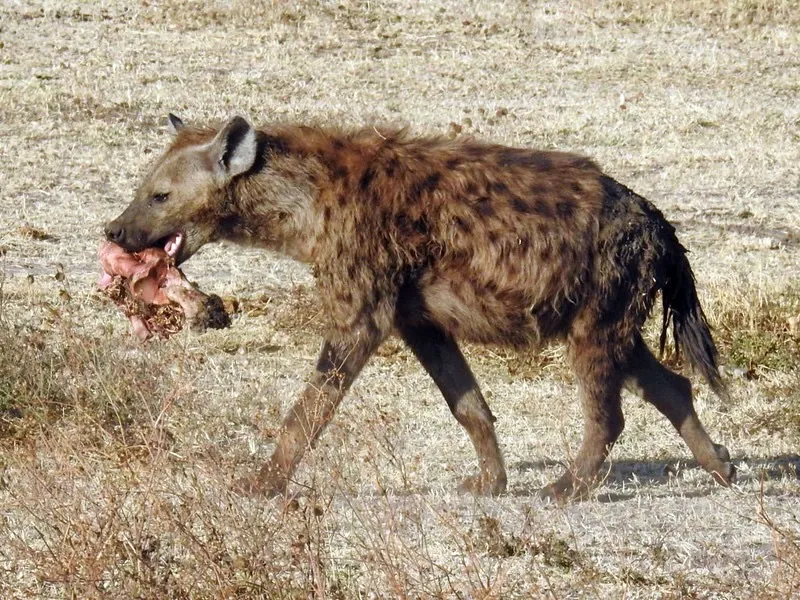
Hyenas: The Apex Scavengers and Expert Hunters
Hyenas belong to the family Hyaenidae, and the species most commonly found in Ngorongoro is the spotted hyena (Crocuta crocuta). While they are often depicted as cowardly scavengers, studies have shown that up to 75% of their diet consists of prey they hunt themselves. Their immense jaw strength, endurance, and pack mentality make them formidable predators.
1. Powerful Jaws and Bone-Crushing Ability
- Hyenas have one of the strongest bite forces in the animal kingdom, capable of crushing bones to extract the nutritious marrow inside.
- Their powerful digestive system allows them to process everything from bones to hooves, ensuring no part of their meal goes to waste.
2. Efficient Hunting Tactics
- Unlike solitary predators like leopards, hyenas hunt in coordinated packs known as clans.
- They use teamwork, endurance, and relentless pursuit to exhaust prey, a strategy similar to that of African wild dogs.
- Hyenas can sustain speeds of up to 60 km/h (37 mph) for several miles, outlasting many of their targets.
The Complex Social Hierarchy of Hyenas
Hyenas have one of the most complex social structures in the animal kingdom, rivaling even primates in terms of intelligence and cooperation.
1. Matriarchal Society
- Unlike most carnivores, hyena clans are led by dominant females, who are larger, stronger, and more aggressive than males.
- Female hyenas have higher testosterone levels, making them the primary decision-makers and protectors of the clan.
2. Strict Rank System
- Each clan has a well-defined hierarchy where lower-ranking individuals must show submission to higher-ranking members.
- Cubs inherit their mother’s rank, ensuring stability within the group.
3. Complex Communication
- Hyenas communicate using a variety of vocalizations, body language, and even scent markings.
- Their famous “laugh” is actually a signal of excitement, submission, or distress rather than amusement.
- Different whoops and growls help clan members coordinate during hunts or alert each other of threats.
Hyenas vs. Other Predators: A Fierce Competition
In the predator-rich environment of Ngorongoro, hyenas must constantly compete with lions, leopards, and cheetahs for dominance over food and territory.
1. Hyenas vs. Lions: A Rivalry for the Ages
- Lions and hyenas have a long-standing rivalry, often fighting over food and territory.
- While lions are stronger individually, hyenas outnumber them in clans and can drive them away from kills through sheer numbers.
- In some cases, lions actively hunt and kill hyenas to reduce competition.
2. Hyenas vs. Leopards: The Opportunistic Thieves
- Hyenas frequently steal kills from leopards, forcing leopards to hoist their prey into trees for safety.
- Leopards, being solitary hunters, often avoid direct confrontations with hyena clans.
3. Hyenas vs. Cheetahs: Speed vs. Strength
- Cheetahs are no match for hyenas in a fight, so they often abandon their kills if hyenas approach.
- This dynamic forces cheetahs to eat quickly or drag their prey into hiding spots to avoid losing their meal.
Hyenas’ Role in the Ngorongoro Ecosystem

Hyenas are crucial to maintaining ecological balance in Ngorongoro. Without them, the landscape would look drastically different.
1. Nature’s Clean-Up Crew
- By consuming carcasses left behind by other predators, hyenas prevent the spread of disease and keep the environment clean.
2. Controlling Herbivore Populations
- As efficient hunters, hyenas help regulate populations of wildebeest, zebras, and antelopes, preventing overgrazing.
3. Rebalancing the Predator Hierarchy
- Their competition with lions, leopards, and cheetahs creates a dynamic ecosystem where no single predator dominates completely.
Threats and Conservation Efforts
Despite their resilience, hyenas face several challenges that threaten their long-term survival.
1. Habitat Loss and Human-Wildlife Conflict
- Expanding human settlements and livestock farming encroach on hyena territories, leading to increased conflict.
- Farmers often retaliate against hyenas when they attack livestock, further reducing their numbers.
2. Poaching and Superstitions
- In some cultures, hyenas are hunted for their body parts, believed to have medicinal or supernatural properties.
- Misconceptions about hyenas being evil or cowardly lead to unnecessary persecution.
3. Climate Change and Prey Availability
- Changes in rainfall patterns affect the availability of prey, forcing hyenas to travel longer distances in search of food.
Best Places to See Hyenas in Ngorongoro
Hyenas are active both day and night, making them relatively easy to spot on safari. Here are the best locations:
1. The Ngorongoro Crater Floor
- Home to several large hyena clans, the crater offers excellent opportunities to witness their hunting and scavenging behavior.
2. Ndutu Plains (During Calving Season)
- From January to March, thousands of wildebeest calves are born, attracting predators like hyenas in large numbers.
3. Lemala Marsh and Open Grasslands
- These areas provide both hunting grounds and den sites for hyena clans.
Conclusion: A New Perspective on Hyenas
Hyenas are far more than just scavengers—they are intelligent, social, and highly skilled predators that play a crucial role in Ngorongoro’s ecosystem. Their adaptability and resilience make them one of Africa’s most successful carnivores, yet they remain misunderstood by many. By promoting awareness and conservation efforts, we can help protect these remarkable animals and ensure that they continue to thrive in the wild.