
Introduction: A Sea of Pink in the Heart of Ngorongoro
Ngorongoro Conservation Area is known for its breathtaking landscapes and diverse wildlife, but one of its most mesmerizing sights is the gathering of thousands of flamingos on its soda lakes. These elegant birds, with their striking pink plumage, create a spectacular contrast against the shimmering waters. However, beyond their beauty, flamingos play an essential role in the ecosystem, and their presence tells a deeper story of adaptation, migration, and survival in one of Africa’s most unique environments.
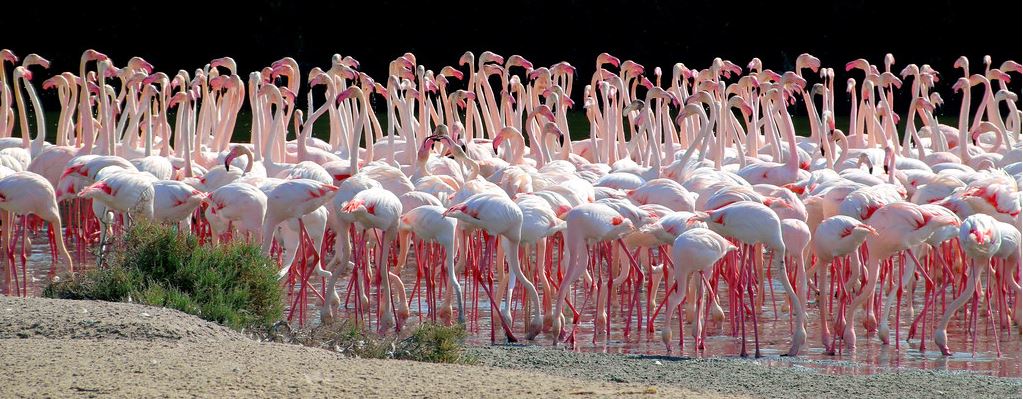
The Soda Lakes of Ngorongoro: Perfect Flamingo Habitat
Ngorongoro’s soda lakes, particularly Lake Magadi and the nearby Lake Natron, provide an ideal environment for flamingos. These alkaline lakes, rich in minerals and microorganisms, offer the perfect breeding and feeding grounds for both lesser and greater flamingos.
Why Do Flamingos Prefer Soda Lakes?
The high alkalinity of soda lakes creates a specialized ecosystem where only certain organisms can thrive. Flamingos feed on the cyanobacteria, algae, and tiny crustaceans that flourish in these waters. Their specially adapted beaks allow them to filter-feed efficiently, ensuring they get the nutrients needed to maintain their vibrant pink coloration.
The Flamingo Species of Ngorongoro
- Lesser Flamingos (Phoenicopterus minor): These smaller flamingos are the most numerous, often seen in massive flocks on Ngorongoro’s soda lakes. They rely primarily on cyanobacteria for food.
- Greater Flamingos (Phoenicopterus roseus): Larger than their lesser counterparts, these flamingos have a more varied diet, including crustaceans and mollusks, which contribute to their slightly paler pink hue.
The Great Flamingo Migration: A Journey of Survival
Flamingos are not permanent residents of Ngorongoro’s soda lakes; they are highly migratory birds, moving between different alkaline lakes in East Africa.
Breeding at Lake Natron
One of the most crucial breeding sites for flamingos in Africa is Lake Natron, located just north of Ngorongoro. This lake provides a safe haven for nesting, as its inhospitable conditions deter most predators. During the breeding season, flamingos build cone-shaped mud nests, protecting their eggs from flooding and extreme temperatures.
Seasonal Movements
After breeding, flamingos spread out across soda lakes in the region, including Ngorongoro’s lakes, in search of food. Their migration patterns are influenced by rainfall, water levels, and food availability.
The Role of Flamingos in the Ecosystem
Flamingos are not just beautiful spectacles; they are essential to the health of soda lakes. By feeding on cyanobacteria and algae, they help regulate the ecosystem, preventing algal blooms that could disrupt the balance of life in these unique lakes. Additionally, their movements and droppings contribute to nutrient cycling, supporting other microorganisms and small aquatic creatures.
Threats Facing Ngorongoro’s Flamingos
Despite their adaptability, flamingos face several threats that endanger their populations.
Climate Change and Water Fluctuations
Flamingos depend on stable water levels for feeding and breeding. Unpredictable rainfall and prolonged droughts, driven by climate change, can disrupt their habitats, making it harder for them to find food and reproduce successfully.
Human Activities and Habitat Destruction
Increased human activity around soda lakes, including mining, agriculture, and tourism, can disturb flamingo populations. Pollution and water extraction also threaten the delicate balance of these unique ecosystems.
Predators and Natural Challenges
Although the alkaline waters protect flamingo nests from many land predators, eggs and chicks can still fall prey to opportunistic scavengers like marabou storks and hyenas. Additionally, extreme weather events, such as heavy rains and flooding, can destroy nesting sites.

How Conservation Efforts Are Protecting Flamingos
Conservation initiatives in Ngorongoro and across East Africa aim to protect flamingo populations and their habitats.
Habitat Protection and Sustainable Tourism
Ngorongoro’s status as a conservation area ensures that flamingo habitats are protected from excessive human interference. Sustainable tourism practices help minimize disturbance, allowing visitors to witness these magnificent birds without harming their ecosystem.
Community Engagement and Awareness
Local communities play a crucial role in conservation. Education programs and eco-friendly livelihood initiatives encourage communities to protect flamingo habitats while benefiting from tourism revenue.
Research and Monitoring
Scientists and conservationists continue to study flamingo populations, tracking their movements, breeding success, and environmental threats. This research helps inform conservation strategies and policy decisions.
Experiencing Ngorongoro’s Flamingos: A Safari Must-See
For wildlife enthusiasts and photographers, witnessing thousands of flamingos wading through the shallow waters of Ngorongoro’s soda lakes is an unforgettable experience.
Best Time to See Flamingos in Ngorongoro
- Dry Season (June–October): Flamingos are most abundant in Ngorongoro’s soda lakes during this period when water levels are stable and food sources are plentiful.
- After the Rains (December–April): The landscape is lush, and flamingos begin their migrations, making for stunning photography opportunities.
Tips for Flamingo Viewing
- Visit early in the morning or late in the afternoon when the lighting is perfect for photography.
- Use binoculars or a telephoto lens to observe flamingos up close without disturbing them.
- Respect their habitat by keeping noise levels low and avoiding sudden movements.
Conclusion: Protecting Ngorongoro’s Flamingo Kingdom
Flamingos are among the most enchanting residents of Ngorongoro’s soda lakes, adding vibrancy to the region’s already stunning landscapes. However, their survival depends on continued conservation efforts and responsible tourism. By appreciating and protecting these pink wonders, we ensure that future generations can marvel at their beauty and ecological importance.