
Introduction: Giants of the Crater
The Ngorongoro Conservation Area is home to some of Africa’s oldest and most majestic elephant populations. These towering giants, with their enormous tusks and deep ancestral roots, have roamed this land for centuries, leaving behind footprints that tell stories of survival, migration, and adaptation. Unlike many other elephant populations across Africa, Ngorongoro’s elephants are uniquely shaped by their environment, leading to behaviors and characteristics that make them stand out from their counterparts in the Serengeti and beyond.
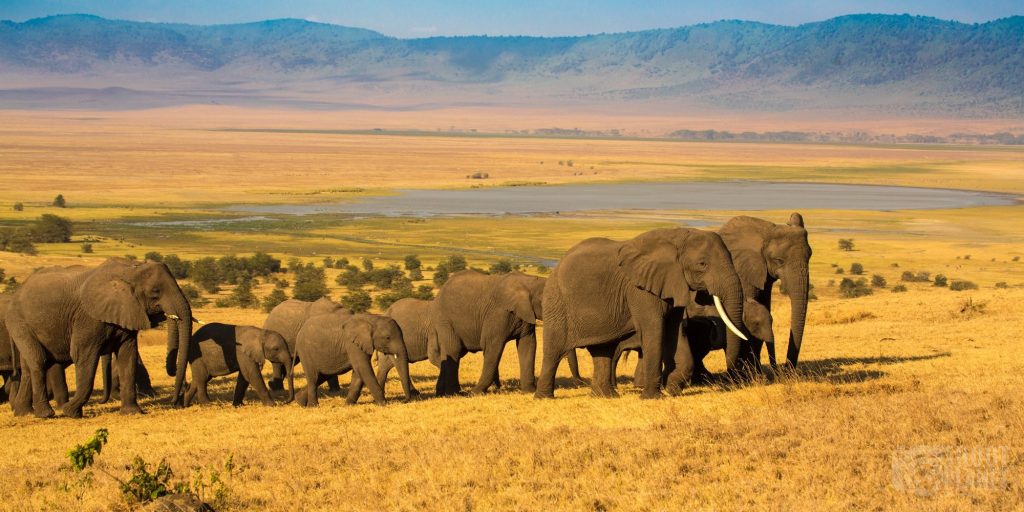
The Ancient Tuskers: A Legacy of Giants
One of the most remarkable features of Ngorongoro’s elephants is the size of their tusks. Due to a combination of genetic factors, diet, and environmental stability, some of the largest tuskers in Africa reside within the crater.
Why Do Ngorongoro Elephants Have Such Large Tusks?
Ngorongoro’s elephants have retained their massive tusks because poaching pressure has historically been lower here compared to other regions. This allows older males, known as ‘tuskers,’ to live long enough to pass on their genes. Their diet, which includes mineral-rich vegetation in the crater, also plays a role in sustaining strong tusk growth.
The Role of Elephants in Ngorongoro’s Ecosystem
These elephants are not just passive wanderers; they are architects of the landscape. By uprooting trees, digging for water, and dispersing seeds, they shape the environment in ways that benefit countless other species. Their movements carve pathways through the dense vegetation, creating access routes for smaller animals and aiding in forest regeneration.
Generations of Wisdom: Elephant Family Structure
Ngorongoro’s elephants live in tightly knit matriarchal groups led by the oldest and wisest female. These matriarchs hold generations of knowledge about water sources, safe migration routes, and how to deal with predators.
The Importance of Matriarchs
Matriarchs guide their herds across Ngorongoro, ensuring that calves and younger elephants learn the skills necessary for survival. Their knowledge of seasonal changes and food availability helps the herd navigate even the most challenging times, such as droughts.
Solitary Bulls: The Wandering Giants
While family groups stay together, older male elephants often live alone or form loose bachelor herds. These bulls are crucial for genetic diversity, as they travel vast distances to mate with different females, preventing inbreeding.
Challenges Facing Ngorongoro’s Elephants
Despite their ancient presence, Ngorongoro’s elephants face modern challenges that threaten their future.
Climate Change and Water Scarcity
Increasingly unpredictable weather patterns are leading to periods of extreme drought, making it harder for elephants to find enough water and vegetation. Since elephants require large amounts of water daily, prolonged droughts can severely impact their survival.
Human-Wildlife Conflict
As human settlements expand near conservation areas, occasional conflicts arise between elephants and local communities. Elephants sometimes wander beyond protected zones, damaging crops in search of food. Conservation efforts are working to implement solutions like wildlife corridors and community engagement programs to minimize these conflicts.
The Poaching Threat
Although Ngorongoro’s elephants have been relatively safe from poaching, the demand for ivory still looms as a threat. Conservation groups and park authorities continuously monitor and protect these elephants to ensure that they do not fall victim to illegal activities.
How Tourists Can Help Protect Ngorongoro’s Elephants
Tourists play a vital role in the conservation of Ngorongoro’s elephants. By choosing eco-conscious tour operators, supporting conservation projects, and spreading awareness about the importance of protecting these gentle giants, visitors can make a difference.
Ethical Safari Practices
Visitors should always follow responsible wildlife viewing guidelines, keeping a safe distance from elephants and avoiding any behavior that may disturb them. Choosing safari companies that prioritize conservation ensures that tourism benefits both wildlife and local communities.
Supporting Conservation Efforts
Several organizations work to protect Ngorongoro’s elephants through anti-poaching patrols, research initiatives, and community engagement programs. Donations and responsible tourism help fund these essential efforts.

Conclusion: The Eternal Guardians of Ngorongoro
The elephants of Ngorongoro are more than just wildlife; they are living relics of an ancient world, carrying with them centuries of wisdom. As they continue to roam the crater, they remind us of nature’s resilience and the importance of conservation. Ensuring their survival is not just about protecting a species—it’s about preserving the very essence of Ngorongoro’s wild and untamed beauty.