

The Sacred Rituals of the Maasai: Beyond the Beaded Necklaces
The Maasai people of Tanzania and Kenya are one of the most iconic and culturally rich tribes in Africa. While their colorful shukas (robes) and intricate beaded jewelry are widely recognized, their deep spiritual traditions and sacred rituals remain less explored. These ceremonies, which mark key life transitions and connect the Maasai with their ancestors, offer a profound insight into their way of life.
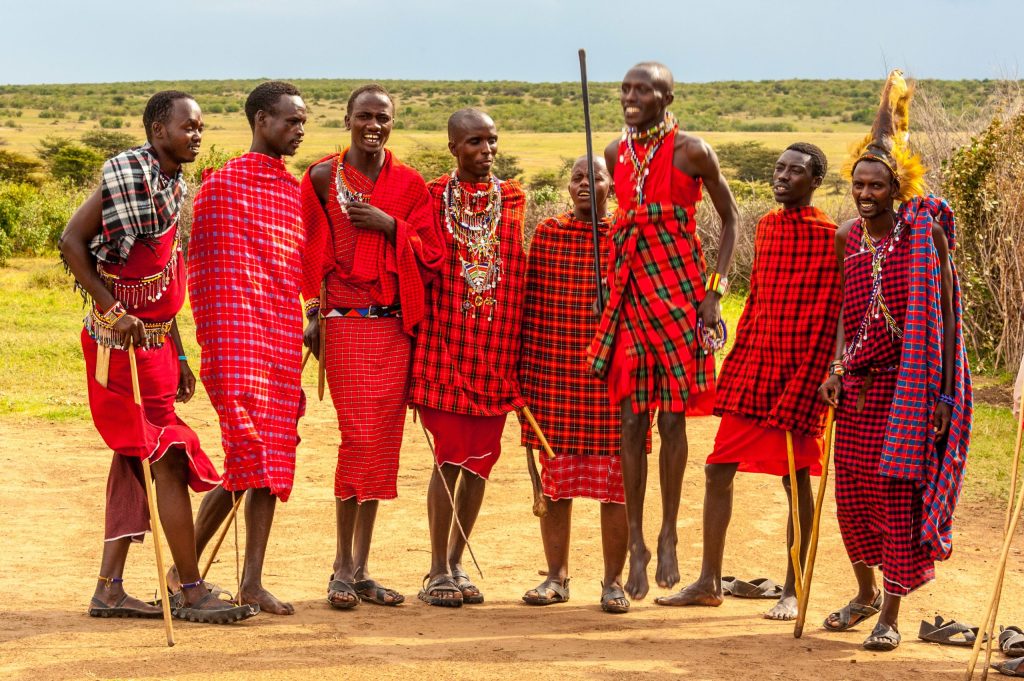
1. Eunoto: The Warrior’s Transition to Elderhood
One of the most important rites of passage in Maasai culture is Eunoto, a ceremony that marks the transition from a Morani (young warrior) to a junior elder. This ritual takes place once every 10 to 15 years and involves hundreds of warriors who have spent years protecting their community and herding cattle.
Key Elements of Eunoto:
- Warriors shave their heads as a sign of maturity and readiness for responsibility.
- A sacred milk-drinking ceremony symbolizes purity and a fresh beginning.
- Elders bless the warriors, guiding them into their new roles as community leaders.
- The ceremony concludes with traditional singing, dancing, and the famous Maasai jumping contest.
2. Emuratta: The Rite of Circumcision
Circumcision, known as Emuratta, is a crucial initiation ceremony for young Maasai boys, typically performed between the ages of 12 and 16. This rite of passage signifies the transition from childhood to warrior status.
What Happens During Emuratta?
- The boys are expected to endure the circumcision without showing pain, proving their bravery and resilience.
- Afterward, they wear black clothing and white facial markings to signify their status as new warriors.
- The healing process can take months, during which they live in isolation and receive guidance from elder warriors.
3. Enkipaata: The Journey to Manhood
Before circumcision, young Maasai boys participate in Enkipaata, a pre-initiation ceremony. This event is organized by elders and involves extensive teachings on Maasai traditions, responsibilities, and leadership.
Highlights of Enkipaata:
- Young boys travel from village to village, learning from elders.
- They engage in communal activities, fostering a sense of brotherhood and duty.
- Elders offer blessings and spiritual teachings to prepare them for adulthood.
4. Orng’esherr: The Blessing of Marriage
Marriage is a highly respected institution among the Maasai, and Orng’esherr is the formal blessing ceremony that follows the bride’s transition into her husband’s family.
Sacred Traditions in Orng’esherr:
- The bride wears elaborate beadwork made by her family as a symbol of good fortune.
- Elders bless the couple with milk, symbolizing fertility and prosperity.
- The ceremony includes feasting, singing, and dancing to celebrate the union.
5. Laibon’s Role: The Maasai Spiritual Leaders
The Laibon are spiritual leaders and healers in Maasai society, acting as intermediaries between the people and the spiritual world. They play a key role in rituals, offering blessings, predicting the future, and healing the sick through herbal medicine and prayers.
Laibon’s Duties Include:
- Performing blessings before major events such as war, initiation rites, or cattle migrations.
- Using divination to foresee challenges or opportunities for the community.
- Preserving ancient Maasai wisdom and traditions through oral storytelling.
Conclusion: Preserving Sacred Traditions
While modernization is influencing Maasai communities, their sacred rituals continue to be practiced and passed down through generations. These ceremonies not only define individual identity but also strengthen community bonds and spiritual connections. For visitors to Tanzania, witnessing or learning about these rites provides a deeper appreciation for the Maasai’s enduring cultural heritage.
Would you like to experience Maasai rituals firsthand? Many cultural tours in Tanzania offer ethical and respectful encounters where travelers can engage with Maasai elders and warriors to learn about their traditions firsthand.
Write something…