
Introduction: The Elusive Ghosts of Ngorongoro
Hidden within the lush forests, rocky outcrops, and acacia-dotted landscapes of the Ngorongoro Conservation Area, the leopard is a symbol of power, mystery, and unparalleled adaptability. Unlike the social lions or the lightning-fast cheetahs, leopards are solitary hunters, thriving in secrecy and using their remarkable stealth to survive. Their ability to blend into their surroundings makes them one of the most difficult predators to spot on a safari, but for those lucky enough to witness them, the experience is unforgettable. This article explores the fascinating world of Ngorongoro’s leopards, uncovering their hunting techniques, survival strategies, and the challenges they face in an ever-changing ecosystem.
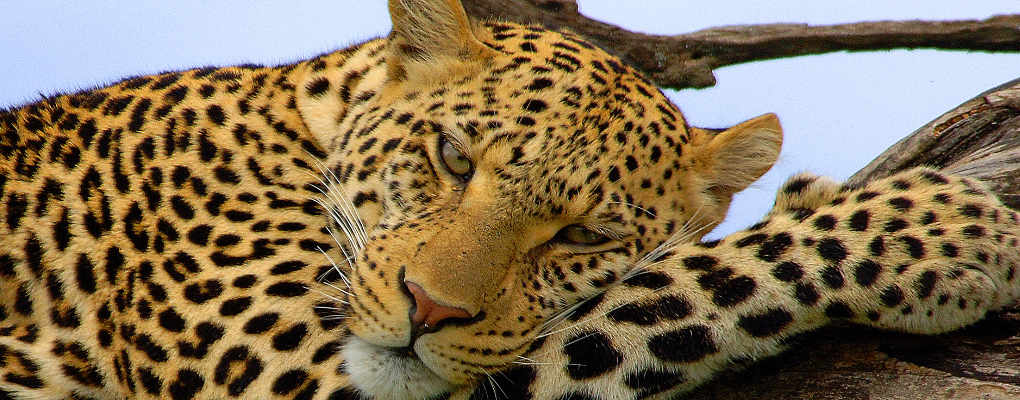
Anatomy of the Perfect Predator
Leopards are built for both power and stealth, making them one of Africa’s most efficient hunters. Here’s what makes them stand out:
1. Muscular and Compact Build
- Weighing between 80–200 lbs (36–90 kg), leopards have a stocky build compared to their leaner cheetah counterparts.
- Their muscular bodies allow them to drag prey up trees to avoid scavengers.
2. Exceptional Camouflage
- The iconic rosette-patterned coat blends perfectly with Ngorongoro’s forested regions and rocky terrains.
- This natural camouflage helps leopards ambush prey and evade larger predators like lions and hyenas.
3. Adaptable Hunting Techniques
- Leopards are opportunistic hunters, capable of taking down prey as small as birds and as large as zebras.
- Unlike cheetahs, they rely on patience, stalking, and a final explosive burst of power to ambush prey.
Hunting Strategies: Stealth Over Speed
Unlike cheetahs that rely on speed or lions that use teamwork, leopards master the art of ambush hunting.
1. Silent Stalking
- Leopards move stealthily, often using dense vegetation, rocks, or tree cover to get within striking distance.
- Their padded paws make their approach nearly soundless.
2. Ambush and Pounce
- Once within range, leopards launch themselves onto their prey in a single, powerful leap.
- A precise bite to the neck or skull ensures a swift kill.
3. Hoisting Kills into Trees
- To avoid scavengers like hyenas and lions, leopards drag their prey up into trees, sometimes carrying animals heavier than themselves.
- This tactic ensures they can eat in peace without losing their hard-earned meal.
Leopards vs. Other Predators: The Survival Game
Despite their incredible hunting skills, leopards face constant challenges from competing predators.
1. Lions: The Biggest Threat
- Lions are dominant predators and will kill leopards if given the chance.
- Leopards avoid confrontation by remaining hidden and active at different times than lions.
2. Hyenas: The Scavengers
- Hyenas often attempt to steal leopard kills, forcing them to rely on tree-hoisting skills.
3. Cheetahs: The Competition for Prey
- While leopards and cheetahs rarely clash, they target similar-sized prey and must navigate overlapping territories.
Challenges and Threats to Ngorongoro’s Leopards
While leopards are adaptable, they are not immune to threats.
1. Habitat Loss and Human Encroachment
- Expanding human settlements near Ngorongoro reduce leopard territories.
- Conflicts with local communities sometimes lead to retaliatory killings when leopards attack livestock.
2. Climate Change and Prey Availability
- Shifting rainfall patterns affect prey distribution, making hunting unpredictable.
3. Poaching and Illegal Wildlife Trade
- Leopards are targeted for their beautiful coats, despite strict anti-poaching laws.
Conservation Efforts for Leopards in Ngorongoro

1. Anti-Poaching Measures
- Rangers patrol Ngorongoro to prevent illegal hunting and protect leopard populations.
2. Research and Monitoring
- Scientists track leopard movements using camera traps and GPS collars to understand their behavior and threats.
3. Community Awareness Programs
- Conservationists work with local Maasai communities to promote coexistence and reduce conflicts.
How to Spot Leopards on a Ngorongoro Safari
Seeing a leopard is a rare and thrilling experience. Here’s where and how to increase your chances:
Best Time for Sightings
- Early Mornings & Late Evenings: Leopards are most active during dawn and dusk.
- Dry Season (June–October): With less vegetation, leopards are easier to spot.
Top Leopard-Spotting Locations
- Lerai Forest: Dense woodlands provide perfect cover for leopards.
- Crater Rim Cliffs: Leopards often navigate rocky ledges, surveying for prey.
- Hidden Ravines: Small water sources attract prey, making them prime leopard hunting grounds.
Conclusion: Protecting the Ghosts of Ngorongoro
Leopards are among the most mysterious and fascinating predators of Ngorongoro. Their stealth, intelligence, and adaptability make them a crucial part of the ecosystem, but they remain vulnerable to human activities and environmental changes. Through conservation efforts, responsible tourism, and community involvement, we can help ensure that these magnificent cats continue to thrive in the wild.