
Introduction: The Ghosts of Ngorongoro
The Ngorongoro Conservation Area is home to an astonishing variety of wildlife, but among the most elusive and enigmatic of its predators is the leopard (Panthera pardus). Often referred to as the “ghosts of the savanna,” leopards are masters of stealth, blending seamlessly into their environment. Unlike the more conspicuous lions, leopards prefer a solitary, secretive existence, making them one of the most challenging animals to spot on safari. Their hidden lives, exceptional hunting skills, and vital role in maintaining the ecosystem make them fascinating subjects for wildlife enthusiasts and conservationists alike.
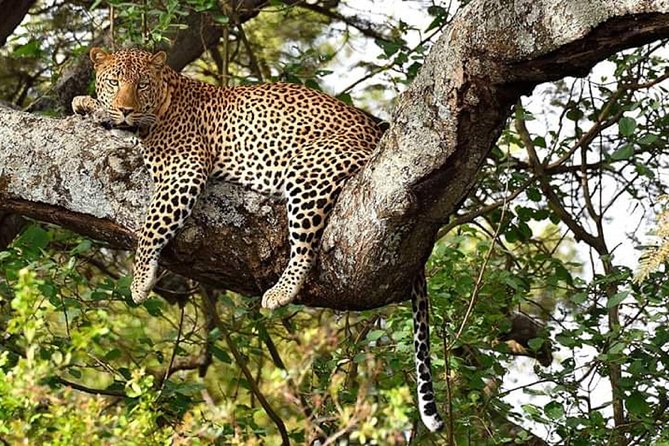
The Secretive World of Leopards in Ngorongoro
Leopards in Ngorongoro thrive in a variety of habitats, from the lush forests along the crater rim to the rocky outcrops and savannas below. Their remarkable adaptability allows them to survive in diverse conditions, yet they remain the least-seen of the big cats.
Why Are Leopards So Hard to Find?
- Camouflage Masters: Their spotted coats provide near-perfect camouflage against the dappled light of forests and the rugged terrain of the crater.
- Solitary Nature: Unlike lions, which live in social prides, leopards are solitary hunters, often avoiding open areas where they might attract attention.
- Nocturnal Lifestyle: While they can be active during the day, leopards prefer to hunt under the cover of darkness, further adding to their air of mystery.
Leopard Hunting Strategies: The Ultimate Stealth Predators
Leopards are among the most versatile and effective hunters in Ngorongoro, using a combination of patience, stealth, and raw power.
How Do Leopards Hunt?
- Ambush Tactics: Unlike cheetahs, which rely on speed, leopards use a stalk-and-ambush strategy, creeping close to their prey before launching a lightning-fast attack.
- Tree-Dwelling Killers: Leopards are exceptional climbers, often dragging their kills up into trees to keep them safe from scavengers like hyenas and lions.
- Wide Diet: They prey on everything from gazelles and warthogs to monkeys and even smaller birds, making them highly adaptable hunters.
The Role of Leopards in the Ngorongoro Ecosystem
Leopards play a crucial role in maintaining balance in the Ngorongoro Conservation Area by regulating prey populations and preventing overgrazing.
Why Are Leopards Important?
- Control of Herbivore Numbers: By hunting antelope, warthogs, and other small mammals, leopards help maintain healthy herbivore populations, preventing overgrazing.
- Scavenger Support: When leopards abandon kills or lose them to larger predators, they provide food for hyenas, jackals, and vultures.
- Indicators of Ecosystem Health: The presence of leopards indicates a thriving environment with a well-balanced food chain.
Leopard Conservation: Challenges and Efforts
Despite their adaptability, leopards face a number of threats, from habitat loss to conflicts with humans.
Threats to Ngorongoro’s Leopards
- Human-Wildlife Conflict: While leopards generally avoid human contact, they sometimes prey on livestock, leading to retaliatory killings by local communities.
- Habitat Encroachment: Expanding human settlements and agriculture threaten leopard habitats, limiting their natural range.
- Competition with Other Predators: While lions and leopards usually avoid direct confrontation, lions will steal leopard kills and even attack them if given the chance.
Conservation Efforts in Ngorongoro
- Protected Status: The Ngorongoro Conservation Area is a UNESCO World Heritage Site, providing legal protection for leopards and their habitats.
- Community Engagement: Conservation programs work with local communities to reduce human-wildlife conflict and promote coexistence.
- Eco-Tourism Support: Responsible tourism helps fund conservation efforts and raises awareness about the importance of protecting these elusive cats.
Best Ways to Spot a Leopard in Ngorongoro
For safari-goers eager to catch a glimpse of these elusive predators, patience and strategy are key.
Where to Look for Leopards?
- Lerai Forest: This dense, riverine forest within the Ngorongoro Crater is one of the best places to spot leopards, as it offers excellent cover and abundant prey.
- Rocky Outcrops and Kopjes: Leopards often rest on rocky formations, scanning the landscape for potential prey.
- Early Mornings and Late Evenings: These are the best times to see leopards in action, as they are most active during dawn and dusk.
Safari Tips for Spotting Leopards
- Use Binoculars: Leopards blend in exceptionally well with their surroundings, so a good pair of binoculars can help spot them in trees or among rocks.
- Watch for Movement: Unlike lions, which often lie in the open, leopards move stealthily. Look for flicks of a tail or the glint of eyes in the shadows.
- Follow Their Prey: If you see impalas or baboons acting nervous, a leopard may be nearby.

Conclusion: The Mysterious Guardians of Ngorongoro
Leopards are among the most intriguing and elusive inhabitants of Ngorongoro, embodying both beauty and power. While they may not be as easily spotted as lions, their presence is a testament to the conservation success of this remarkable landscape. By protecting their habitats and promoting responsible tourism, we ensure that future generations can continue to marvel at these secretive hunters.