
Introduction: The Fastest Hunters of Ngorongoro
The Ngorongoro Conservation Area is home to one of Africa’s most awe-inspiring predators—the cheetah. Known for their unmatched speed and slender, aerodynamic build, cheetahs are a rare sight in this diverse ecosystem, yet they play a crucial role in maintaining its balance. Unlike the more robust lions and stealthy leopards, cheetahs rely on agility, keen eyesight, and calculated precision to hunt. However, their survival in Ngorongoro is increasingly threatened by competition, habitat loss, and climate change. This article delves deep into the world of Ngorongoro’s cheetahs, exploring their hunting techniques, adaptations, threats, and conservation efforts to protect these elusive speedsters.

The Anatomy of a Speed Demon
Cheetahs are uniquely built for speed, capable of reaching 60–70 mph (97–113 km/h) in short bursts. Several physical adaptations make this possible:
1. Lightweight and Aerodynamic Build
- Cheetahs have a sleek, lightweight frame, unlike the bulkier lions and leopards.
- Their long, flexible spine allows them to stretch and contract their body during sprints.
2. Specialized Muscles and Limbs
- Powerful fast-twitch muscle fibers give them explosive acceleration.
- Long limbs with semi-retractable claws provide extra grip on the ground, acting like cleats.
3. Enhanced Oxygen Supply
- Enlarged nasal passages and lungs ensure rapid oxygen intake during high-speed chases.
- A large heart pumps oxygenated blood efficiently to the muscles.
Cheetah Hunting Strategies in Ngorongoro
Unlike lions, which rely on teamwork, or leopards, which use stealth and ambush tactics, cheetahs are solo hunters that depend on speed and strategy.
1. Scouting the Prey
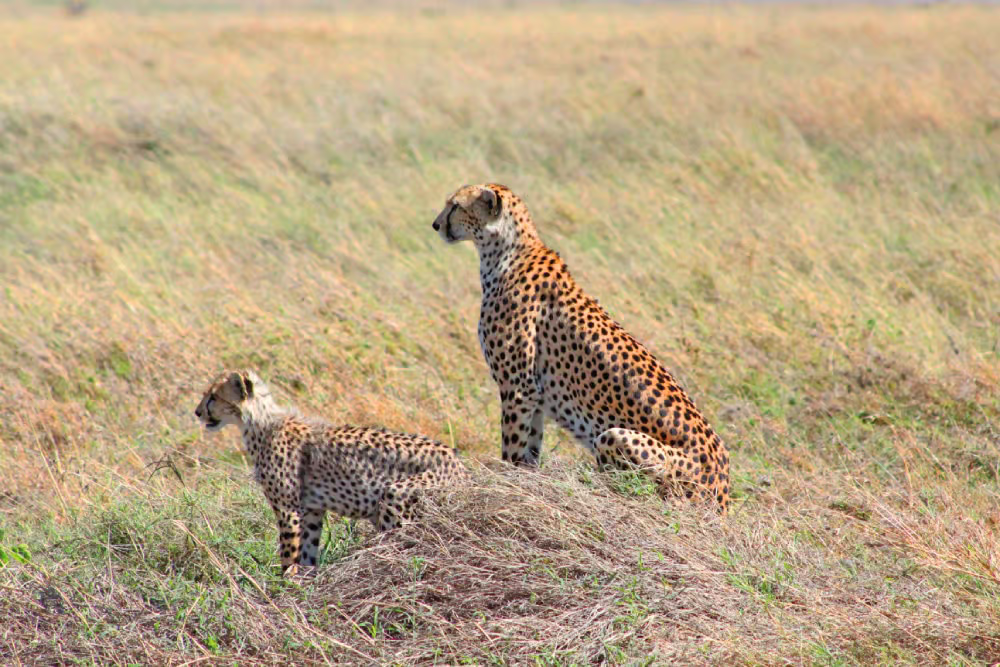
- Cheetahs rely on their exceptional eyesight to spot prey from a distance, often using termite mounds or low hills as vantage points.
- They prefer medium-sized ungulates like Thomson’s gazelles and young wildebeests, which they can outrun.
2. The Stalk and Sprint
- A cheetah will stealthily approach its prey within 60–100 feet before launching a sudden, explosive sprint.
- Using its tail for balance, it zigzags to counteract the evasive movements of fleeing prey.
3. The Final Takedown
- Unlike lions that use brute force, cheetahs trip their prey by swiping its legs before delivering a suffocating bite to the throat.
- Since cheetahs have small jaws and weaker bites compared to other big cats, they must secure their kill quickly before scavengers arrive.
Cheetahs and Competition: The Survival Struggle
Although cheetahs are exceptional hunters, they face stiff competition and threats in the Ngorongoro ecosystem.
1. Rival Predators
- Lions and Hyenas: These dominant predators often steal cheetah kills and can attack cheetah cubs.
- Leopards: Although leopards and cheetahs don’t frequently clash, they compete for overlapping food sources.
2. Habitat Challenges
- The open plains of Ngorongoro provide great visibility but little cover, making cubs vulnerable to attacks.
- Shrinking hunting grounds due to human encroachment force cheetahs to compete for limited prey.
The Threats Facing Ngorongoro’s Cheetahs
Despite their incredible adaptations, cheetahs remain one of Africa’s most endangered big cats. Major threats include:
1. Human-Wildlife Conflict
- Expanding human settlements around Ngorongoro lead to habitat fragmentation.
- Cheetahs are sometimes killed by herders protecting their livestock.
2. Climate Change
- Rising temperatures and shifting rainfall patterns alter prey migration routes, making hunting more challenging.
3. Genetic Bottlenecks
- Cheetahs have low genetic diversity, making them more susceptible to diseases and reducing their ability to adapt to environmental changes.
Conservation Efforts to Protect Ngorongoro’s Cheetahs
Several initiatives are in place to ensure cheetahs continue to thrive in Ngorongoro:
1. Anti-Poaching and Monitoring Programs
- Conservationists use radio collars and GPS tracking to study cheetah movements and identify threats.
- Strict anti-poaching laws help prevent illegal hunting of cheetahs and their prey.
2. Community Engagement and Coexistence
- Local conservation organizations work with Maasai communities to promote coexistence between livestock farmers and predators.
- Compensation programs provide financial support to herders who lose livestock to wildlife, reducing retaliation killings.
3. Sustainable Safari Tourism
- Ethical tourism practices, such as limiting vehicle congestion around cheetahs, help reduce stress on these animals.
- Safari operators educate visitors on conservation efforts, ensuring their trips contribute to wildlife protection.
How to Spot Cheetahs in Ngorongoro
For safari-goers eager to witness these incredible felines, here are some tips:
Best Time to See Cheetahs
- Dry Season (June–October): Prey is more concentrated, making hunting opportunities better for cheetahs.
- Green Season (November–May): Cubs are more visible as mothers raise their young in tall grass.
Best Locations in Ngorongoro
- Ndutu Plains: A hotspot during the wildebeest calving season, attracting cheetahs looking for easy prey.
- Southern Crater Rim: Offers vast open landscapes ideal for cheetah hunting.
Conclusion: The Race Against Extinction
Ngorongoro’s cheetahs are not just symbols of speed and grace; they are essential to the ecosystem’s balance. Their existence depends on continued conservation efforts, sustainable tourism, and community involvement. As travelers and wildlife enthusiasts, we play a crucial role in ensuring the future of these incredible felines. Supporting ethical safaris, advocating for wildlife protection, and spreading awareness can make a difference in the survival of Ngorongoro’s fastest hunters.