
Introduction: The Majestic Giants of Ngorongoro
Deep within the Ngorongoro Conservation Area roam some of Africa’s last remaining great tusker elephants—massive, awe-inspiring creatures whose ivory tusks can weigh over 50 kilograms each. These ancient giants, revered for their size and wisdom, are living relics of a time when elephants roamed vast landscapes unthreatened by human activity. However, their numbers are dwindling, and witnessing them in the wild is a rare privilege. This article explores the lives of Ngorongoro’s tuskers, their role in the ecosystem, the threats they face, and the urgent need for conservation efforts to ensure their survival.
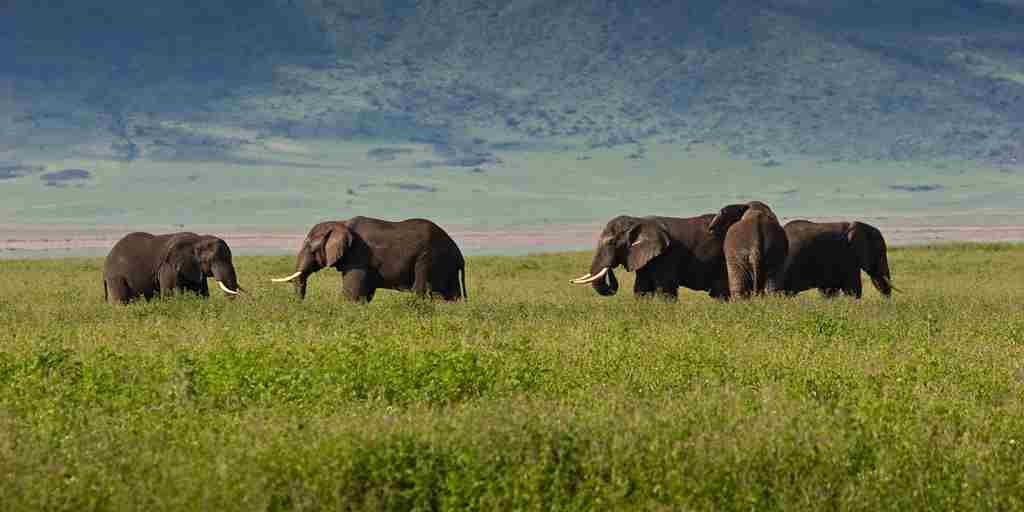
The Legacy of the Great Tuskers
Great tuskers are elephants—usually older males—whose tusks have grown exceptionally long due to genetics and age. These elephants are rare, as few survive long enough in the wild to develop such massive ivory. Historically, great tuskers were common across Africa, but poaching, habitat loss, and human-wildlife conflict have led to a drastic decline in their numbers.
What Makes a Great Tusker?
- Size and Age: Only the oldest and most dominant bull elephants grow long tusks, usually over 40-50 years old.
- Genetics: Some elephants naturally grow larger tusks due to hereditary traits passed down through generations.
- Environmental Factors: Adequate nutrition and low stress contribute to healthy tusk growth.
Ngorongoro: A Last Refuge for the Great Tuskers
Ngorongoro’s unique ecosystem provides an ideal sanctuary for elephants. Unlike other parts of Africa where poaching has wiped out tuskers, the conservation area’s strict protection policies have allowed some of these magnificent giants to survive.
Where Do They Roam?
- Lerai Forest: This lush acacia forest inside the Ngorongoro Crater provides a safe haven for large bull elephants, offering abundant food and water.
- Crater Rim and Highlands: Older males often traverse the dense woodlands along the crater rim, occasionally descending to the plains in search of mineral-rich soil.
- Lake Magadi and Surrounding Plains: During the dry season, elephants venture to the lake edges to drink and take mineral-rich mud baths.
How Do They Shape the Ecosystem?
- Habitat Engineers: By knocking down trees and opening up the landscape, tuskers help maintain the balance between woodlands and grasslands, allowing other species to thrive.
- Water Finders: Elephants dig for water in dry riverbeds, creating water sources that benefit other animals.
- Seed Dispersers: Their dung spreads seeds across vast distances, aiding forest regeneration.
The Perils Facing Ngorongoro’s Great Tuskers
Despite living in a protected area, Ngorongoro’s tuskers still face significant challenges.
1. Human-Wildlife Conflict
As human populations expand around conservation areas, elephants sometimes raid crops or damage property, leading to conflicts with local communities. In retaliation, some elephants are poisoned or speared.
2. Poaching and the Ivory Trade
Although Ngorongoro has strong anti-poaching enforcement, the illegal ivory trade remains a serious threat. Poachers target tuskers for their massive ivory, reducing their already dwindling population.
3. Climate Change and Habitat Shrinkage
Rising temperatures and changing rainfall patterns affect water availability and food sources, forcing elephants to roam further in search of sustenance.
Conservation Efforts: Protecting the Last Great Tuskers
Several initiatives are working to ensure the survival of Ngorongoro’s great tuskers.
1. Anti-Poaching Patrols and Technology
- Park rangers and conservationists use GPS tracking and drones to monitor elephant movements and prevent poaching.
- Community-based intelligence networks help report suspicious activities and deter illegal hunting.
2. Human-Wildlife Coexistence Programs
- Compensation programs help farmers who suffer crop losses, reducing retaliatory killings.
- Education campaigns promote conservation awareness and encourage locals to protect elephants rather than see them as threats.
3. Sustainable Tourism for Elephant Protection
- High-end safaris contribute funding to conservation efforts, ensuring that elephants remain a valuable and protected attraction.
- Eco-tourism lodges follow ethical guidelines to prevent disturbing the elephants while providing unique viewing opportunities for visitors.

Tracking the Giants: A Once-in-a-Lifetime Safari Experience
For safari-goers, witnessing a great tusker in the wild is an unforgettable experience. These gentle giants exude an ancient wisdom that captivates all who encounter them.
Best Time to See Ngorongoro’s Great Tuskers
- Dry Season (June–October): Elephants are more visible as they gather around water sources.
- Green Season (November–May): The crater is lush, and elephants move between forests and open plains.
How to Maximize Your Chances of Spotting a Tusker
- Hire expert guides who know the movements of the elephants.
- Visit areas like Lerai Forest, where older bulls often roam.
- Be patient—tuskers are elusive and may take time to appear.
Conclusion: The Future of Ngorongoro’s Great Tuskers
The survival of Ngorongoro’s great tuskers is a testament to decades of conservation efforts, but their future remains uncertain. Protecting these majestic giants requires ongoing commitment from conservationists, local communities, and responsible tourists. By supporting sustainable tourism and conservation initiatives, we can ensure that the last great tuskers continue to roam free, inspiring generations to come.